Human Nature Series
Research-Grounded Cultural Nonfiction
The questions nobody wants to ask — and the answers we can't afford to ignore.
The Human Nature series is a growing collection of nonfiction books that examine the forces quietly reshaping how we think, lead, connect, and raise the next generation. Each title stands on its own. Together, they form a map of the cultural fault lines running beneath modern life.
These aren't opinion pieces. They're research-grounded, historically informed arguments built for readers who refuse to outsource their thinking. From the collapse of critical thought to the war on the family, from media manipulation to the loneliness epidemic — this series names what most people feel but few are willing to say out loud.
If it matters to the future of civilization, it belongs in this series.
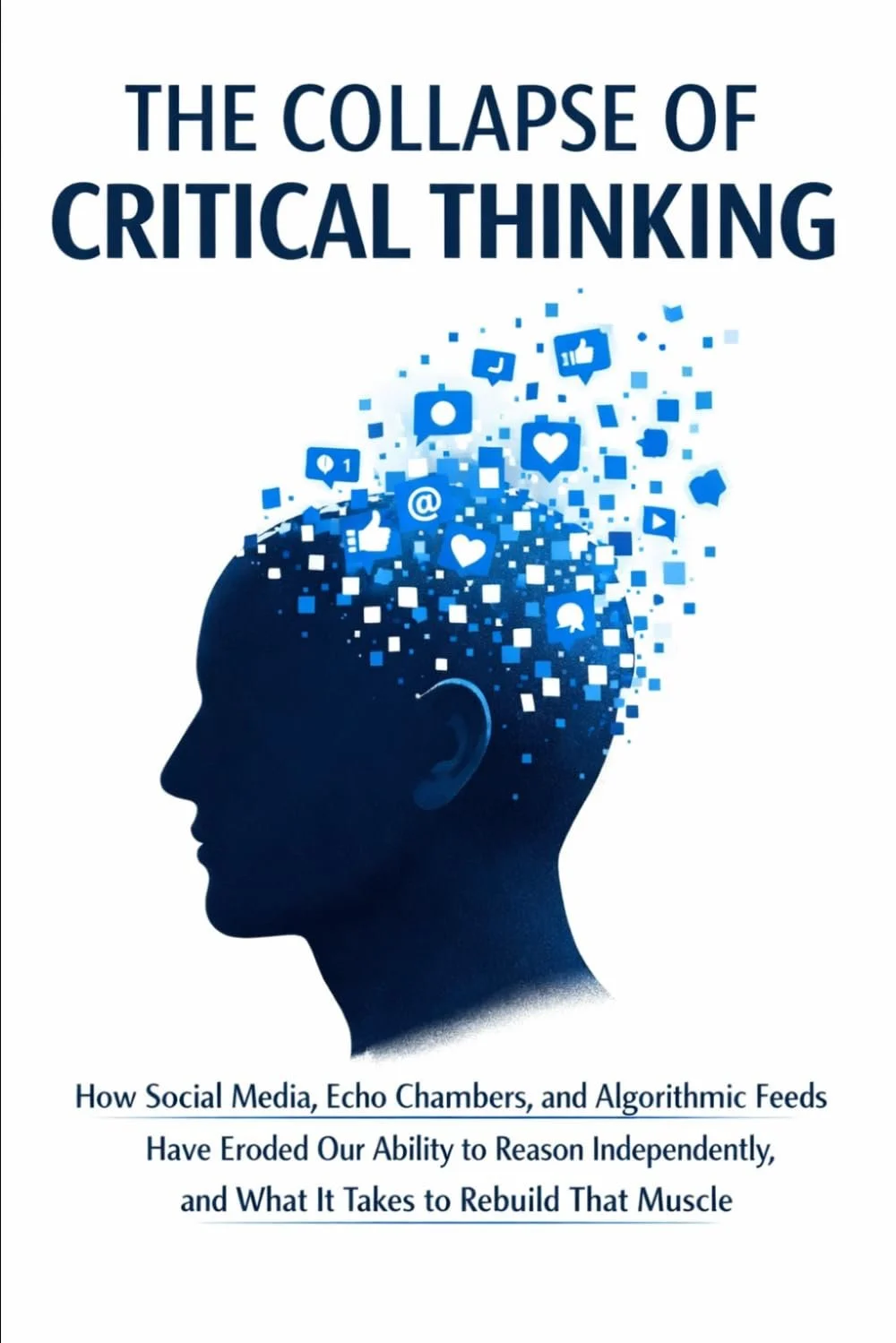
The Collapse of Critical Thinking
The Collapse of Critical Thinking
Why has independent thought become so rare? This book traces the decline of critical thinking across education, media, and public life — and reveals the systems designed to keep you from questioning the narrative.
From classroom conditioning to algorithmic echo chambers, The Collapse of Critical Thinking exposes how modern institutions have replaced reasoning with compliance. It's a wake-up call for anyone who believes thinking for yourself still matters.
Examines how education shifted from teaching how to think to teaching what to think
Explores the role of media in shaping public opinion without public awareness
Research-grounded with historical context spanning decades
Written for readers who refuse to accept the mainstream narrative at face value
If you've ever felt like independent thought is under siege — this book proves you're right.
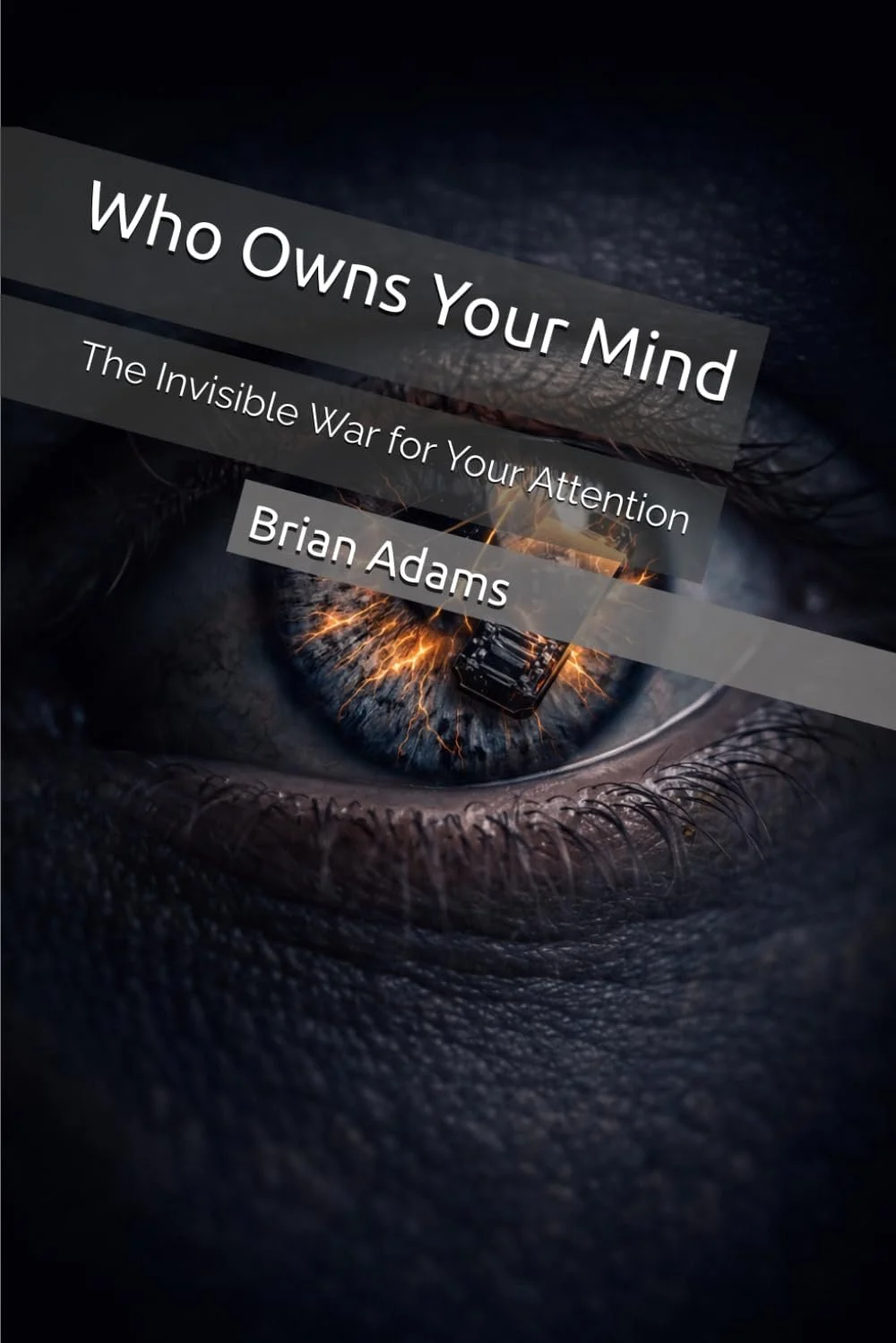
Who Owns Your Mind?
Who Owns Your Mind?
The invisible war for your attention. This book uncovers the sophisticated systems competing for control of your thoughts, beliefs, and decisions — from big tech to advertising to institutional propaganda.
Your mind is the most valuable real estate on earth, and everyone wants a piece of it. Who Owns Your Mind? pulls back the curtain on the attention economy and gives you the tools to reclaim ownership of your own thinking.
Reveals the psychological tactics used to manipulate belief and behavior
Traces the history of propaganda from wartime to the digital age
Practical framework for identifying and resisting mental manipulation
Essential reading for parents, leaders, and anyone raising the next generation
Your thoughts should belong to you. This book shows you how to take them back.
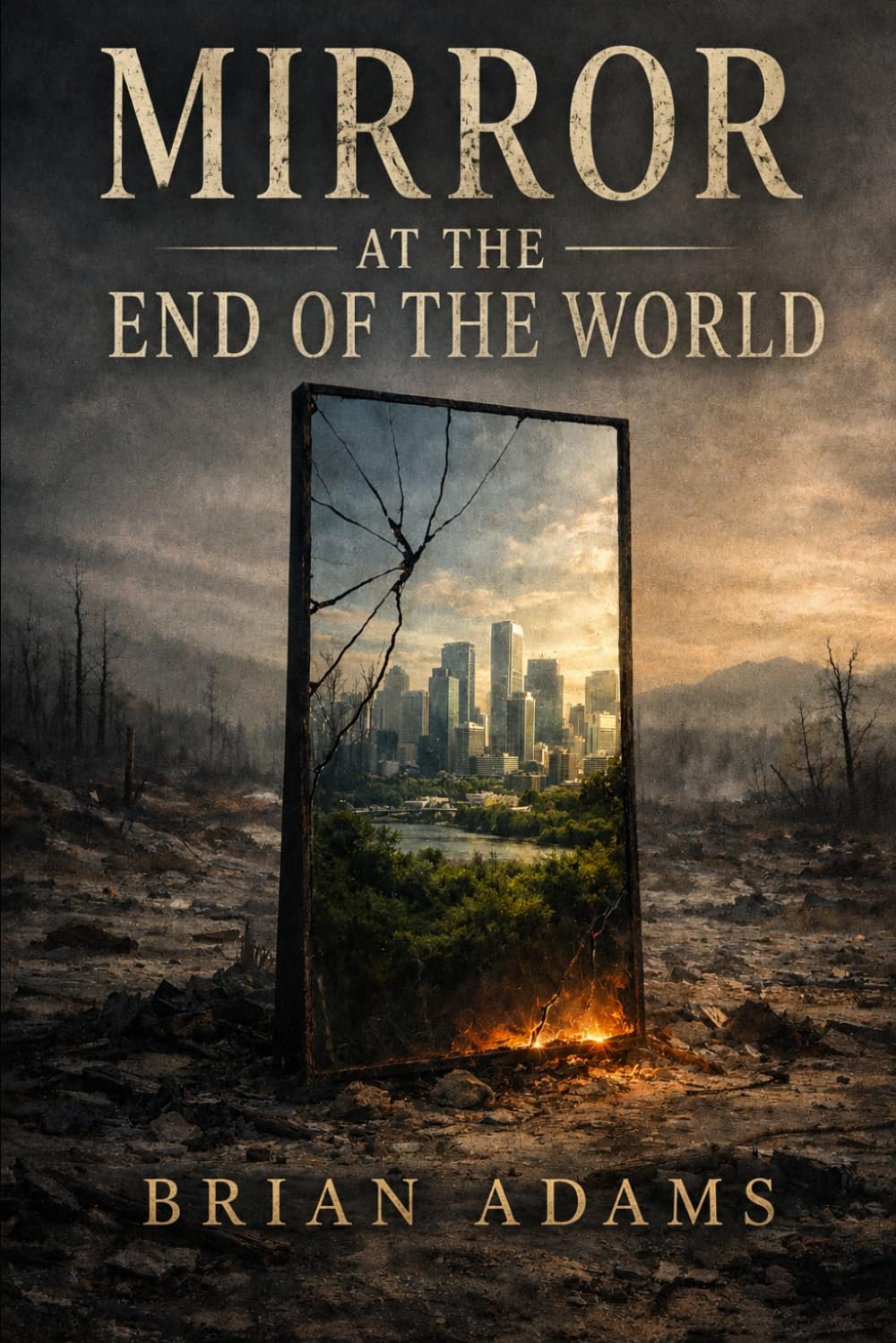
The Mirror at the End of the World
The Mirror at the End of the World
What does the state of our culture reveal about who we've become? This book holds up a mirror to modern civilization and asks the question most people are afraid to face: are we building something — or watching it fall apart?
Through cultural analysis and unflinching honesty, The Mirror at the End of the World examines the values, priorities, and blind spots that define our era.
A cultural diagnostic for readers who sense something is deeply wrong
Examines the gap between what we say we value and how we actually live
Challenges comfortable assumptions about progress and modernity
Sometimes the hardest thing to face is the truth staring back at you.
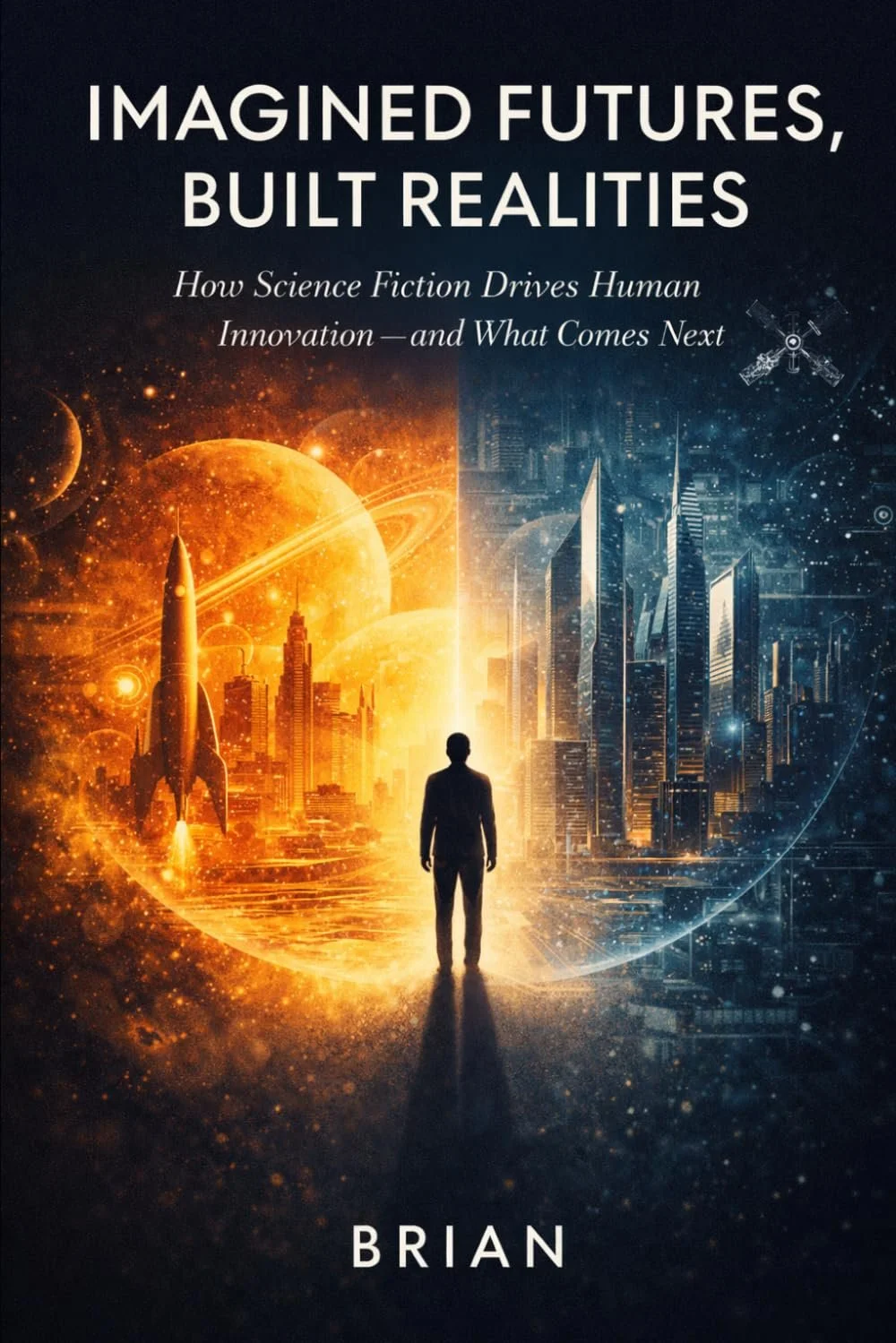
Imagined Futures, Built Realities
Imagined Futures, Built Realities
How science fiction drives human innovation — and what comes next. This book explores the fascinating connection between what we imagine and what we build, tracing how visionary stories have shaped technology, culture, and civilization.
From Jules Verne to modern AI, Imagined Futures, Built Realities reveals how the stories we tell about tomorrow become the blueprints for today.
Traces the direct line from science fiction to real-world innovation
Explores how imagination drives — and sometimes warns against — progress
Examines the responsibility of storytellers in shaping civilization
The future isn't something that happens to us. It's something we imagine first.
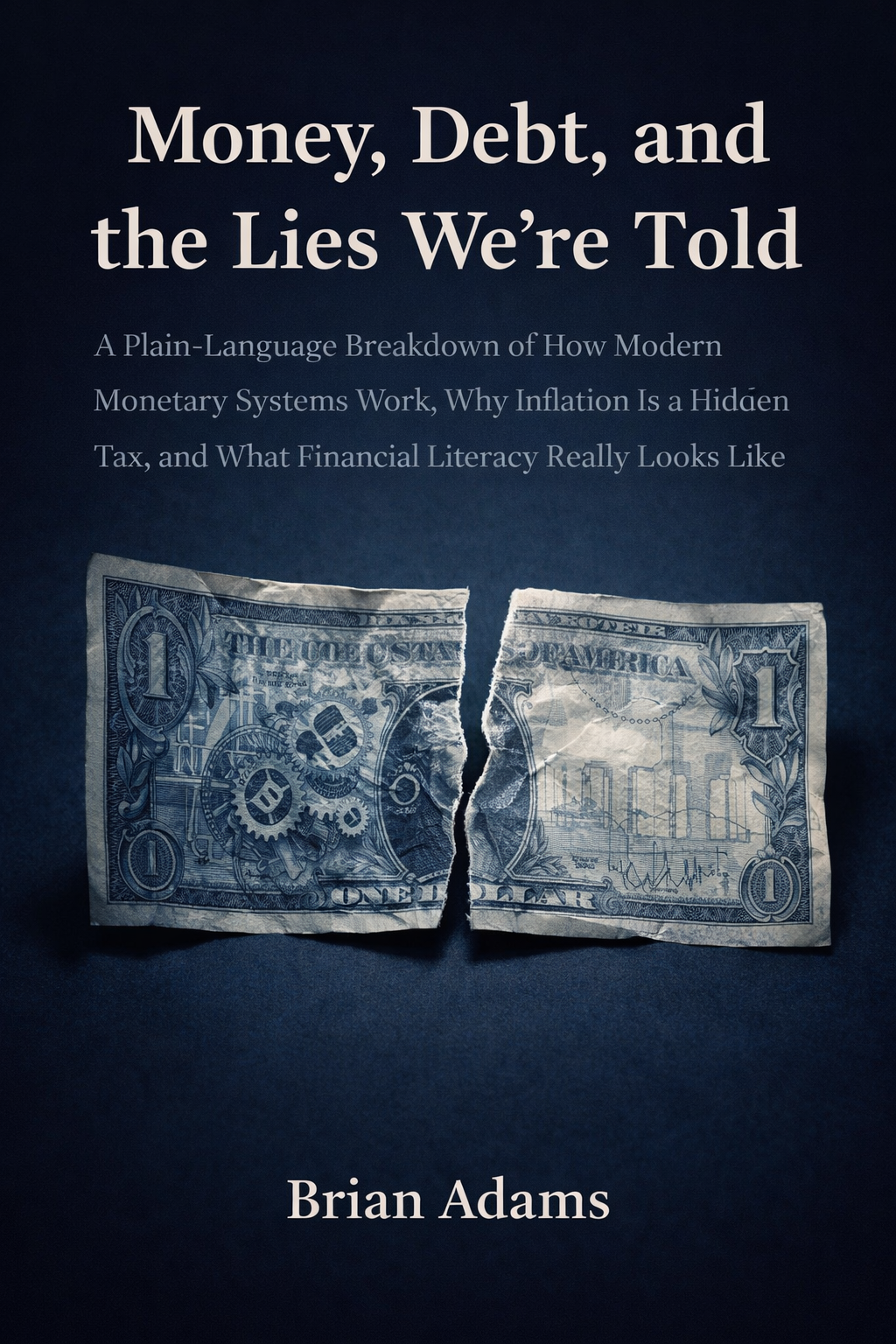
Money, Debt, and the Lies We're Told
Money, Debt, and the Lies We're Told
A plain-language breakdown of how modern monetary systems work, why inflation is a hidden tax, and what financial literacy really looks like. This book cuts through the jargon to reveal the economic truths they don't teach in school.
Money, Debt, and the Lies We're Told is for anyone who's ever felt like the economic system is rigged — because in many ways, it is.
Explains monetary policy, inflation, and debt in language anyone can understand
Reveals how the financial system transfers wealth from the many to the few
Empowers readers with knowledge that the system prefers they don't have
Financial literacy isn't optional — it's survival. This book arms you with the truth.
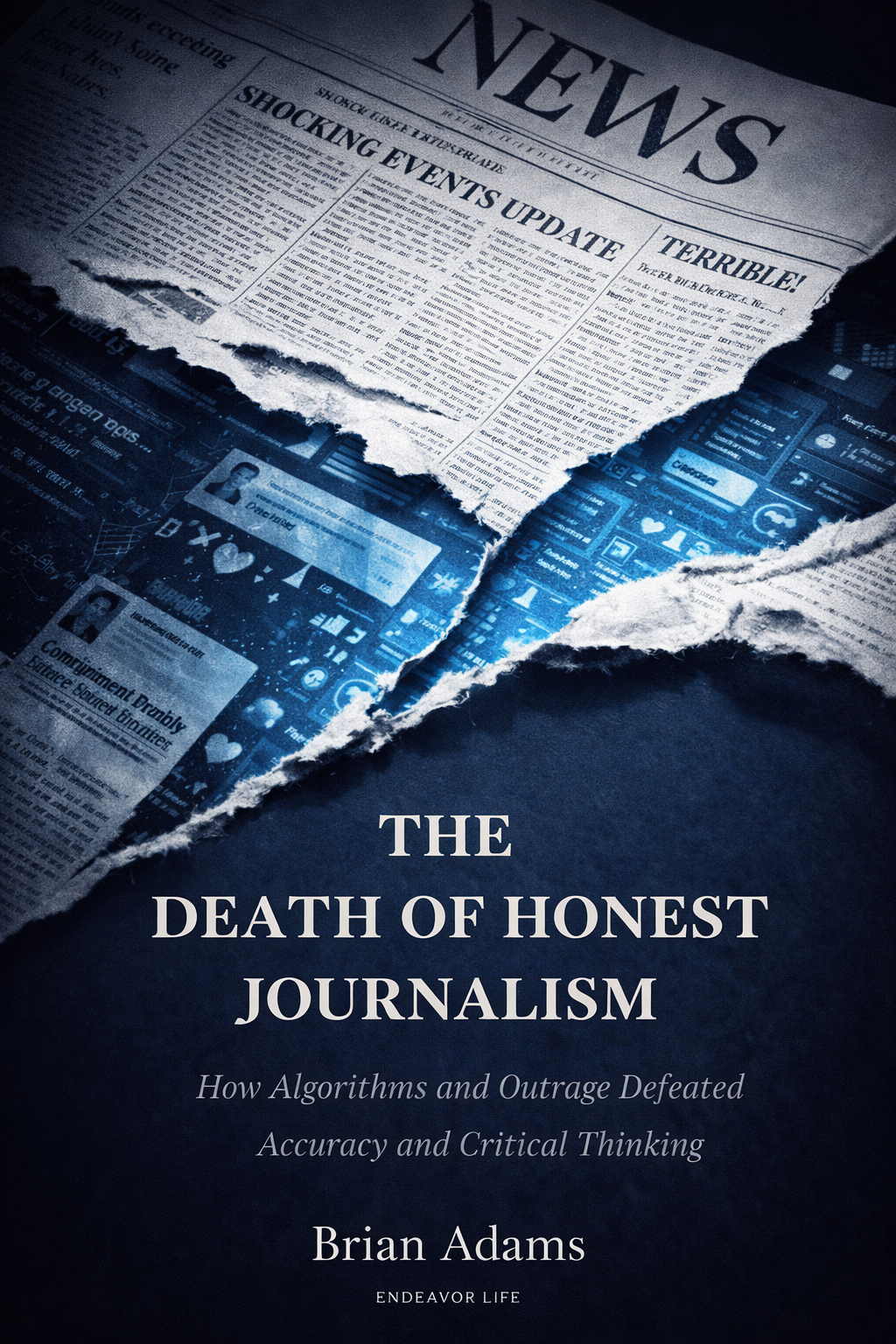
The Death of Honest Journalism
The Death of Honest Journalism
Trust in media is at an all-time low, and for good reason. This book traces the transformation of journalism from a truth-seeking profession to a narrative-driven industry, and explains why it matters more than most people realize.
The Death of Honest Journalism examines how the collapse of journalistic integrity threatens democracy, public discourse, and our ability to make informed decisions.
Traces the economic and ideological forces that corrupted modern journalism
Documents specific patterns of narrative manipulation and selective reporting
Offers practical tools for identifying bias and finding reliable information
A free press was supposed to protect the people. This book asks: Who protects us from the press?

Divided by Design
Divided by Design
Division isn't an accident — it's a strategy. This book exposes how political, corporate, and media systems deliberately manufacture conflict to maintain power and suppress unity.
From race to religion, economics to identity — the divisions tearing society apart didn't happen organically. Divided by Design follows the money, the motives, and the mechanisms behind manufactured outrage.
Reveals the business model behind social division
Traces how media algorithms profit from outrage and polarization
Exposes the political incentives for keeping citizens fighting each other
They need you divided. This book shows you why — and how to stop falling for it.
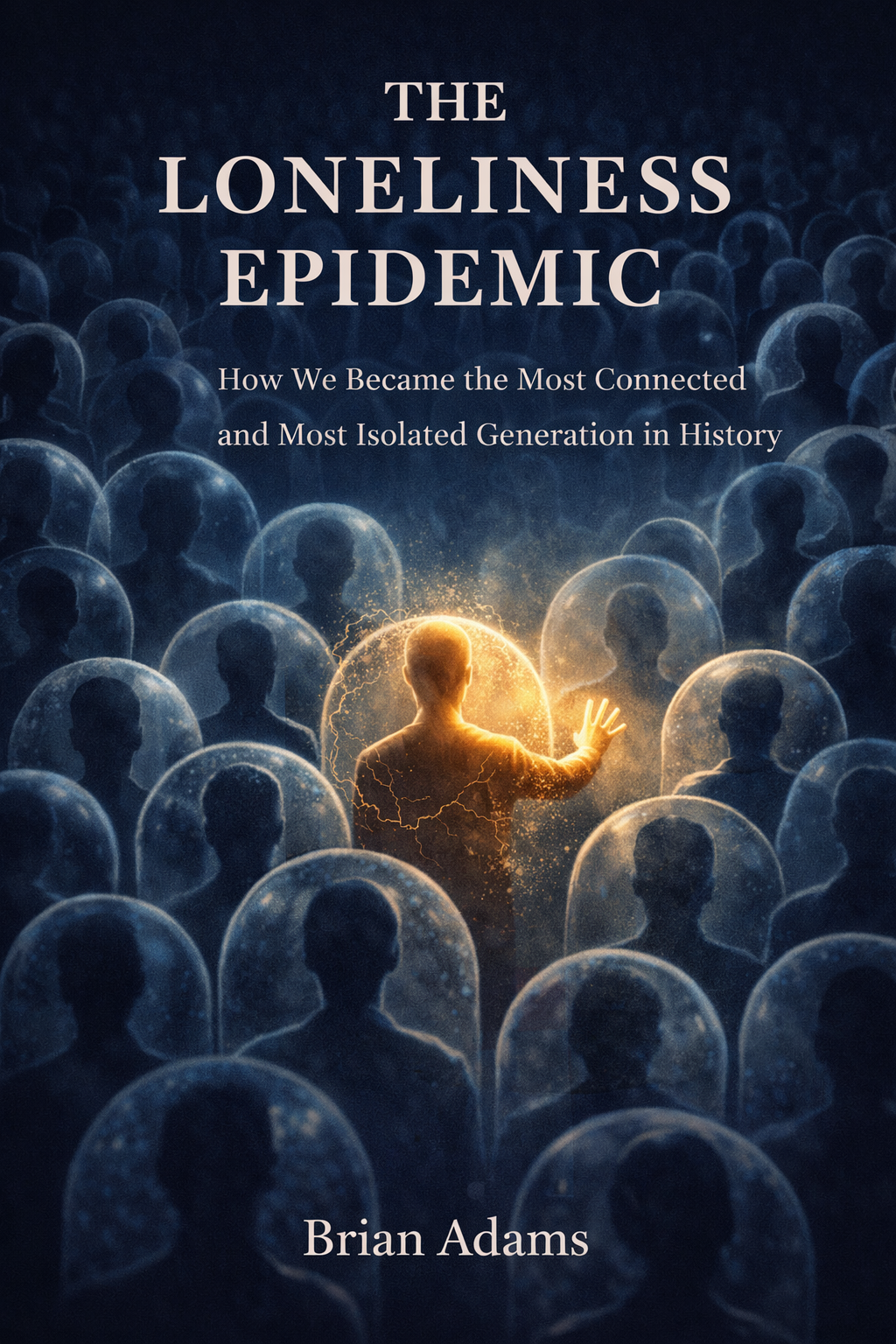
The Loneliness Epidemic
The Loneliness Epidemic
We are more connected than ever — and more alone than ever. This book examines the loneliness epidemic sweeping the modern world and traces its roots to the very technologies and cultural shifts we celebrate as progress.
The Loneliness Epidemic is a research-grounded exploration of what we lost when we traded real community for digital connection.
Documents the health, social, and civilizational costs of chronic loneliness
Examines how technology replaced community without fulfilling its purpose
Explores the connection between loneliness, meaning, and faith
Connection isn't a luxury — it's a necessity. This book shows what we need to rebuild.
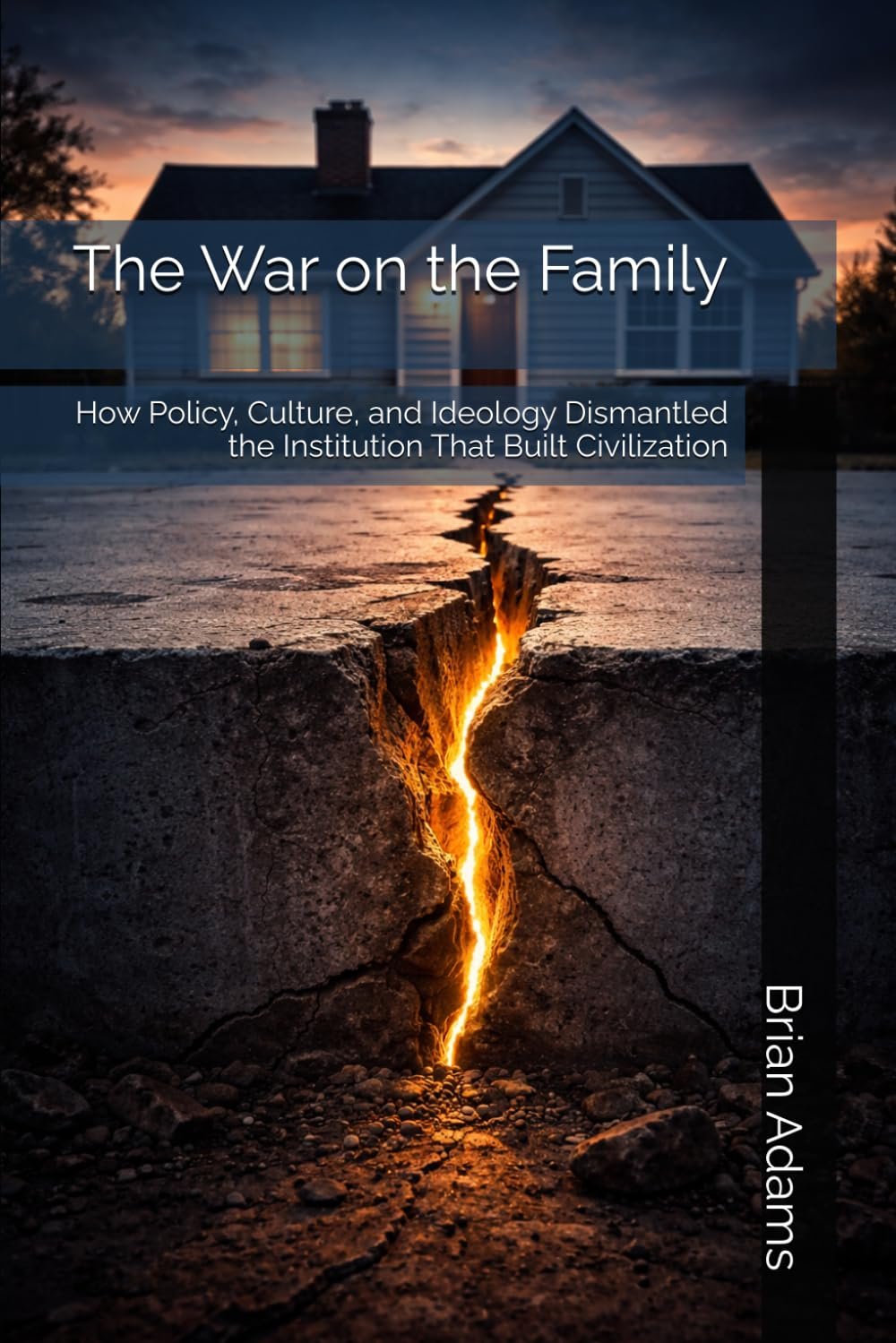
The War on the Family
The War on the Family
The family is the foundation of civilization — and it's under attack from every direction. This book documents the cultural, economic, and institutional forces systematically undermining the family unit, and calls for a return to intentional family leadership.
The War on the Family connects the dots between policy, culture, and the slow erosion of the institution that holds everything together.
Documents the economic and cultural forces working against family stability
Exposes how institutions profit from family breakdown
A faith-grounded, research-backed call to defend and rebuild the family
Written by a father who believes the family is worth fighting for
The family isn't outdated. It's essential. And it's time we started acting like it.
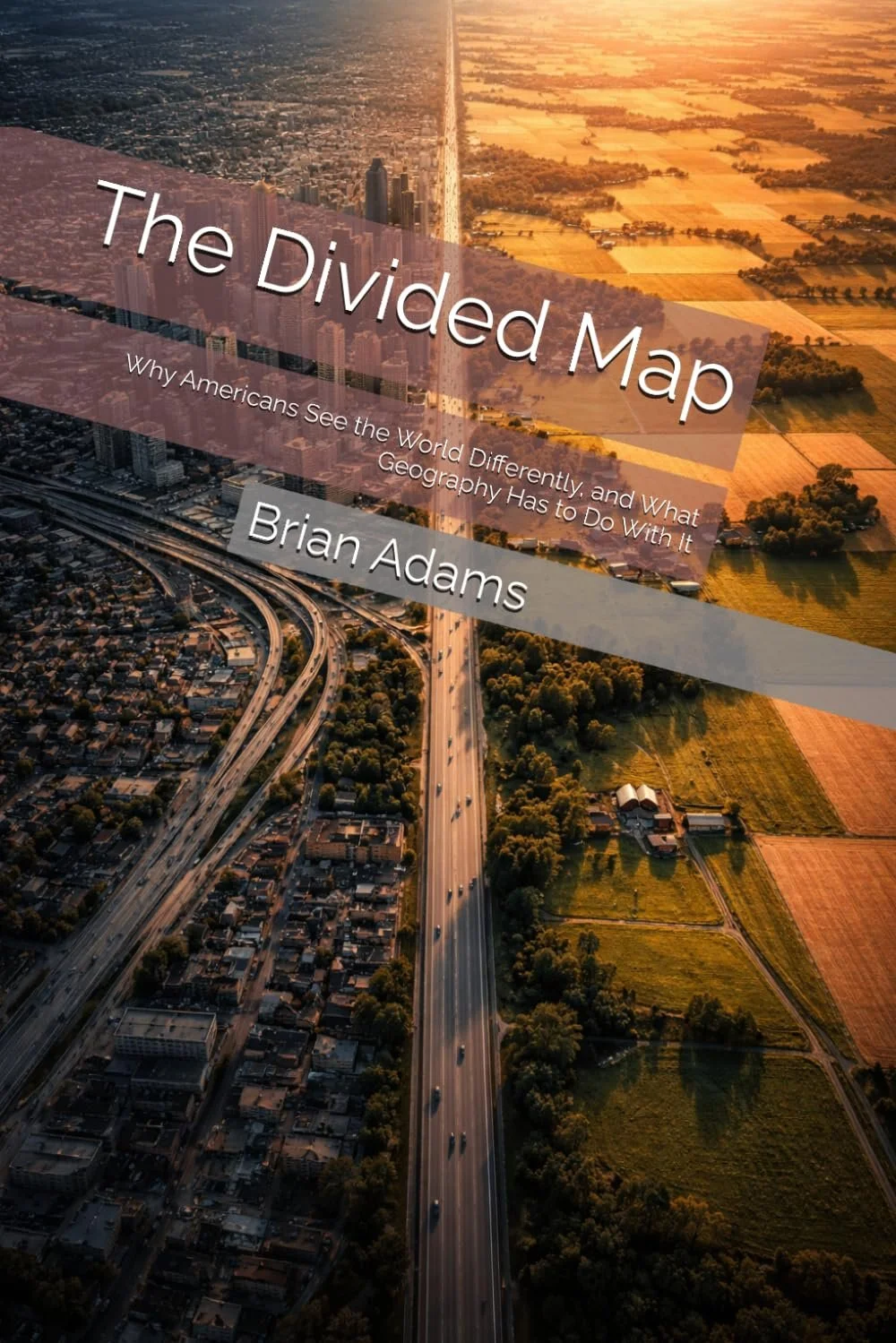
The Divided Map
The Divided Map
America isn't just politically divided — it's geographically, culturally, and economically fractured in ways that most people don't fully understand. This book maps the real divides shaping the nation's future.
The Divided Map goes beyond red vs. blue to examine the deeper fault lines: urban vs. rural, coastal vs. heartland, institutional vs. independent. Understanding the map is the first step to bridging the gap.
Maps the geographic, economic, and cultural divides in modern America
Explains why people in different regions experience completely different realities
Offers a framework for understanding — and ultimately healing — the divide
You can't fix what you don't understand. This book draws the map.

Where Have All the Fathers Gone?
Where Have All the Fathers Gone?
The fatherlessness crisis is the root of nearly every social problem we face — and almost nobody is willing to talk about it. This book confronts the epidemic of absent fathers and its devastating ripple effects on children, communities, and civilization.
With research-backed arguments and unflinching honesty, Where Have All the Fathers Gone? examines how we got here and what it will take to reverse the trend.
Documents the statistical and cultural impact of fatherlessness
Examines the systems and incentives that have undermined fatherhood
A call to men to step up, step in, and lead their families
Written from the heart of a father who refuses to stay silent
Every child deserves a father who shows up. This book is for every man willing to be that father.

Mental Health Crisis
The Mental Health Crisis Nobody Wants to Talk About
We are the most comfortable, most connected, most informed generation in human history. We are also the most anxious, most depressed, and most lonely. The numbers are not a blip. They are a trajectory, climbing for two decades, accelerating in the last five years, and reaching every age group, every income bracket, every region of the developed world.
The Mental Health Crisis Nobody Wants to Talk About is an honest examination of why.
This is not another self-help book. It is a structural diagnosis. Across twenty chapters, the book traces the architecture behind the suffering: the attention economy that monetizes our nervous systems, the institutions that used to anchor us and have quietly hollowed out, the economics of isolation that make community optional and exhausting, the meaning vacuum that medication cannot fill, the over-medicalization of normal human pain, and the intergenerational anxiety we are passing to our children faster than they can absorb it.
The book draws on hundreds of sources. It refuses every partisan frame. It does not blame individuals for what a system is producing at scale. And it does not end in despair. The final section examines what the evidence actually says works — for individuals, for families, for communities, and for the kind of life worth wanting.
If you have felt this. If you have watched someone you love feel this. If you have wondered why nothing seems to be getting better even though everything is supposed to be. This book is for you.
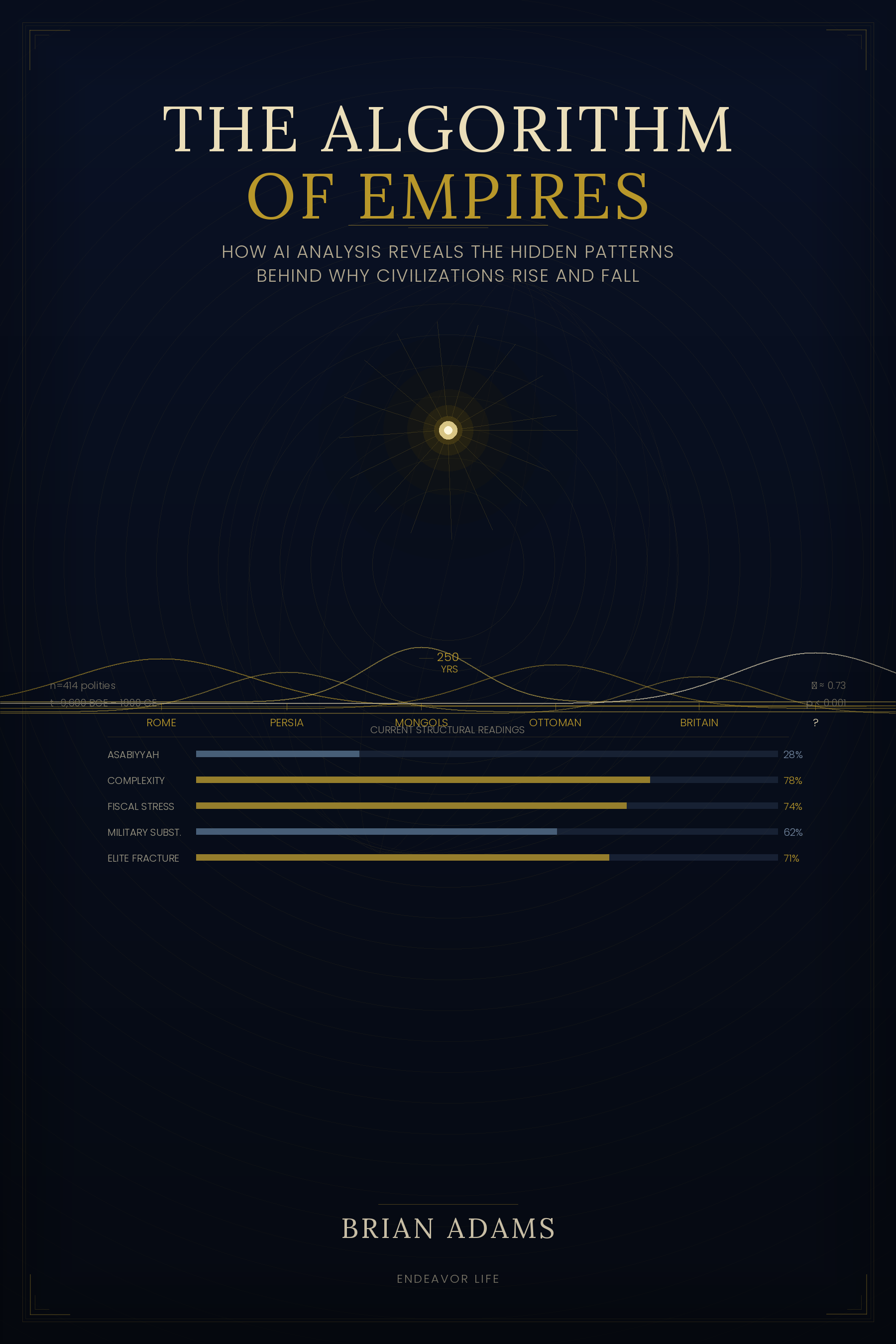
The Algorithm of Empires
The Algorithm of Empires
The Algorithm of Empires applies AI pattern recognition to five thousand years of civilizational data, drawing on the work of Sir John Bagot Glubb, Peter Turchin, Joseph Tainter, Ibn Khaldun, and the Seshat Global History Databank. What emerges is not a collection of unique catastrophes. It is a single, repeating structural pattern. A sequence of phases that recurs across civilizations separated by centuries, oceans, and entirely different cultures.
The pattern has a signature. It has measurable stages. And several of its most consistent indicators are currently active.
This is not a doom forecast. It does not tell you which political party caused the problem or which one can fix it. It is something more demanding. An honest reading of the structural data, reported without spin, and held against the full civilizational record, including the United States, China, and Europe as they sit right now.
Thirty chapters. Thirty civilizational questions. One uncomfortable answer the data keeps producing.
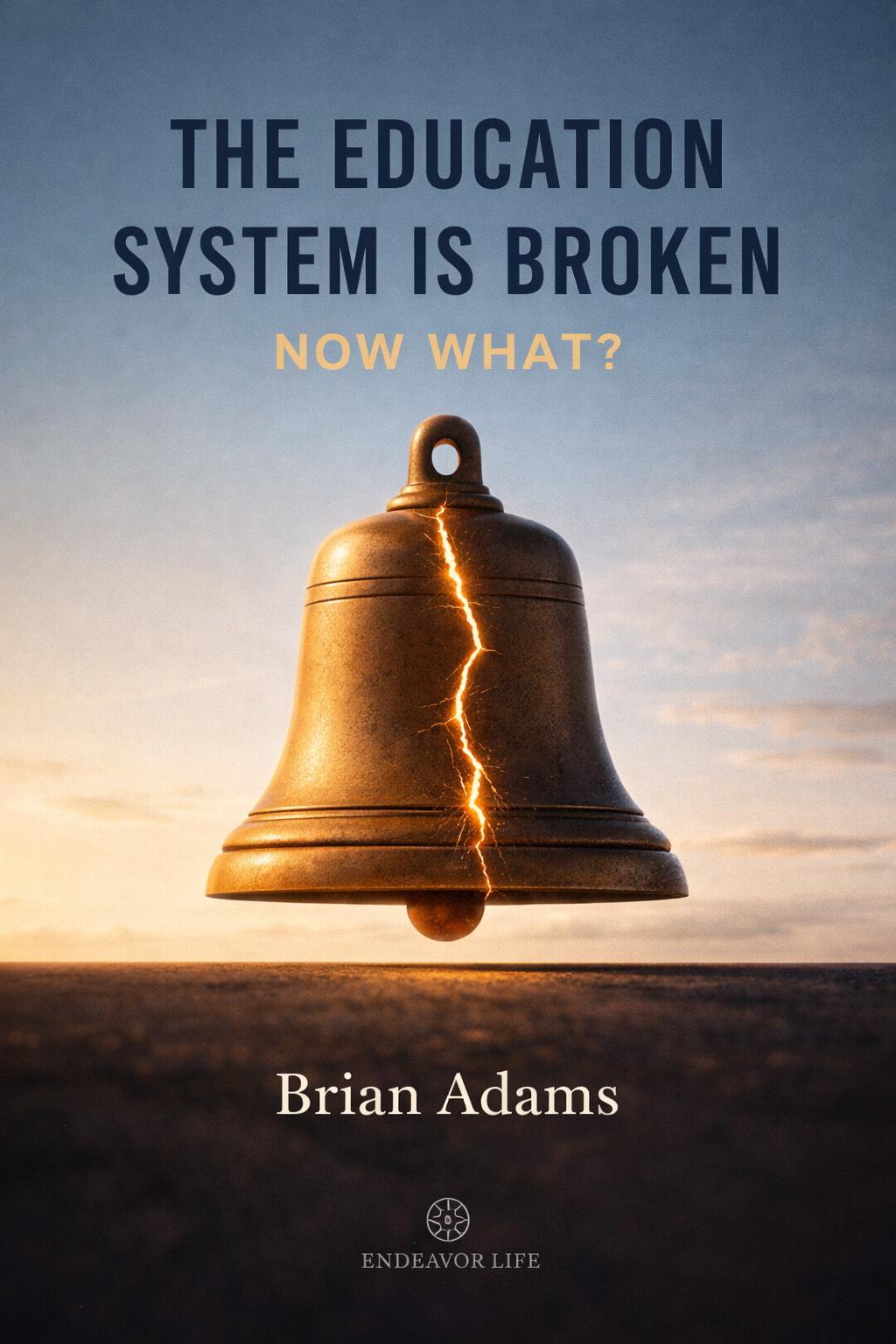
THE EDUCATION SYSTEM IS BROKEN
THE EDUCATION SYSTEM IS BROKEN
The United States spends more per student than nearly any nation on earth. Reading and math scores are at historic lows. Teacher shortages keep widening. More than three million parents have already pulled their children out of the system entirely.
The system is not failing. It is doing exactly what it was built to do.
That sentence is the heart of The Education System Is Broken.
Across twenty chapters, this book traces American public education from its nineteenth-century factory-model origins through its post-pandemic collapse, and asks the only question that matters now: what was this system designed to produce, and is that still what we want our children to become?
The book is built in five parts. The Architecture, where the system actually came from, and what it was engineered to do. The Cost, what NAEP, PISA, and a decade of post-COVID data say about what graduates can and cannot do. The People Inside is told through the lens of teachers, students, and parents who live within the architecture every day. The Crisis Beyond the Classroom: What Educational Failure Does to Civic Life, the Labor Market, and the Republic Itself. And The Rebuild, the homeschool movement, microschools, the Science of Reading, and a practical field guide for parents ready to act.
This is not a partisan book. The data does not flatter anyone. The crisis crosses every political line, every income bracket, every region.
It is a book for parents who refuse to wait for reform, teachers who refuse to be ground down by it, and leaders who understand that the crisis in classrooms is the crisis of the republic.
The families are already building. The only question left is whether the rest of us will join them.